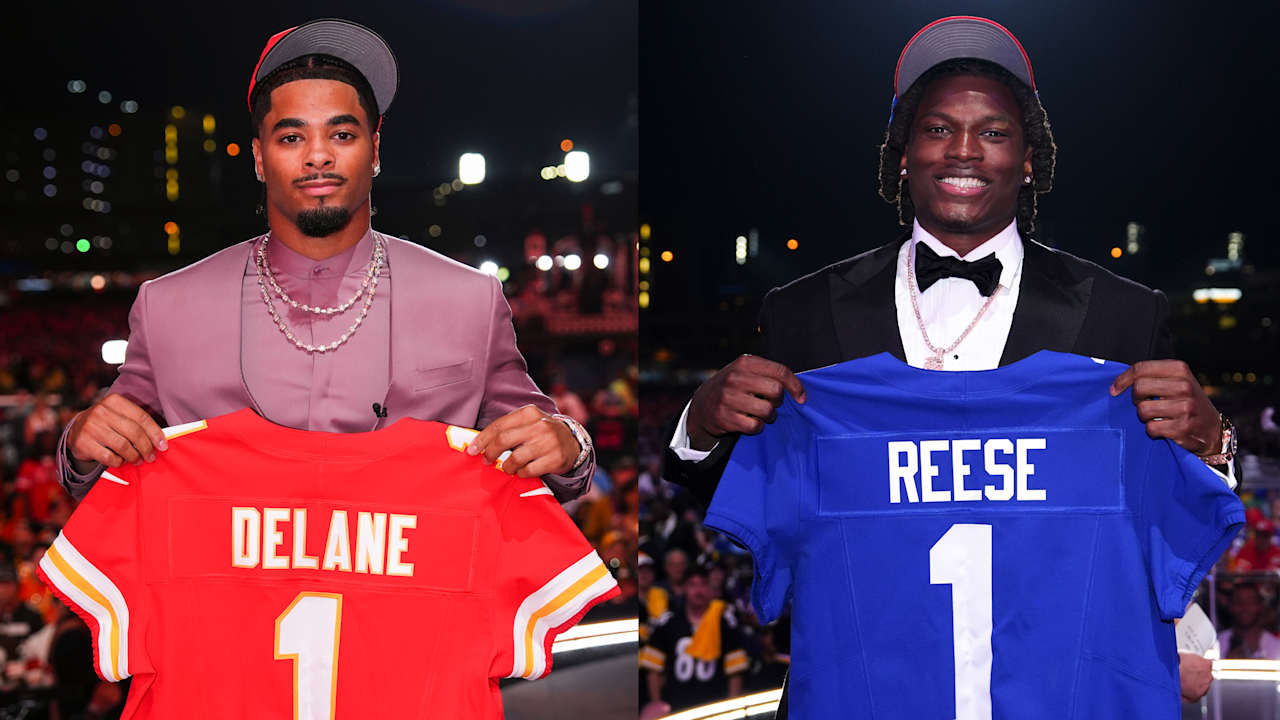
The 2026 NFL Draft didn’t just reshape rosters—it redrew the league’s hierarchy. In the immediate aftermath, one team rose with quiet confidence: the Kansas City Chiefs. Meanwhile, the San Francisco 49ers, despite adding talent, find themselves tangled in a recurring narrative—reaching for prospects instead of drafting for fit.
The post-draft NFL power rankings aren’t just about who won the draft. They reflect strategic discipline, roster cohesion, and the ability to build around a franchise cornerstone. And right now, the Chiefs are doing it better than anyone.
Chiefs Build Around Mahomes With Precision
The Chiefs didn’t chase splashy headlines at No. 25. Instead, they doubled down on sustainability—selecting a high-upside linebacker from Georgia, a technician offensive tackle from Oregon, and a zone-running specialist running back from Iowa. None were "can’t-miss" prospects, but all filled specific needs.
Kansas City’s front office has long operated with surgical precision. In 2026, they avoided the trap of overdrafting for positional need. They didn’t reach for a pass rusher at 25 just because Frank Clark’s production dipped. Instead, they traded down, netting an extra third-rounder, and let natural depth take care of itself in later rounds.
This approach reflects a broader philosophy: draft for value, not for panic.
“We’re not drafting to fix one season,” said GM Brett Veach. “We’re building a culture that wins in 2026, 2028, and beyond.”
The result? A balanced class that strengthens the trenches and adds special teams value—without disrupting the core. With Patrick Mahomes still under contract through 2030, the Chiefs are reinforcing the foundation, not gambling on a facelift.
Why the Chiefs’ Draft Class Boosts Their Power Ranking
- No Reaching: Every pick fit a defined need or represented value at the position.
- Trade Down Gains: The move from 25 to 32 (with an extra third-rounder) exemplifies smart capital management.
- Roster Continuity: The Chiefs didn’t disrupt chemistry by overdrafting a "franchise-altering" rookie.
- Positional Balance: Added depth to both lines without ignoring the back seven.
In a league where overreaction is standard, Kansas City’s restraint is revolutionary.
49ers Repeat Draft Mistake: Reaching for Potential
San Francisco entered the 2026 draft with three picks in the top 70. On paper, that’s capital to reshape a roster on the cusp. In practice? More of the same.
With the 11th overall pick, the 49ers selected a raw quarterback from a Group of Five school—touted for his arm talent but lacking elite processing speed. Analysts questioned the move immediately. Was this Kyle Shanahan and John Lynch banking on their coaching staff to develop a project, or was it a premature pivot from Brock Purdy?
Then, at No. 43, they took a tight end who barely played his final college season due to injury—another “high-upside” bet.
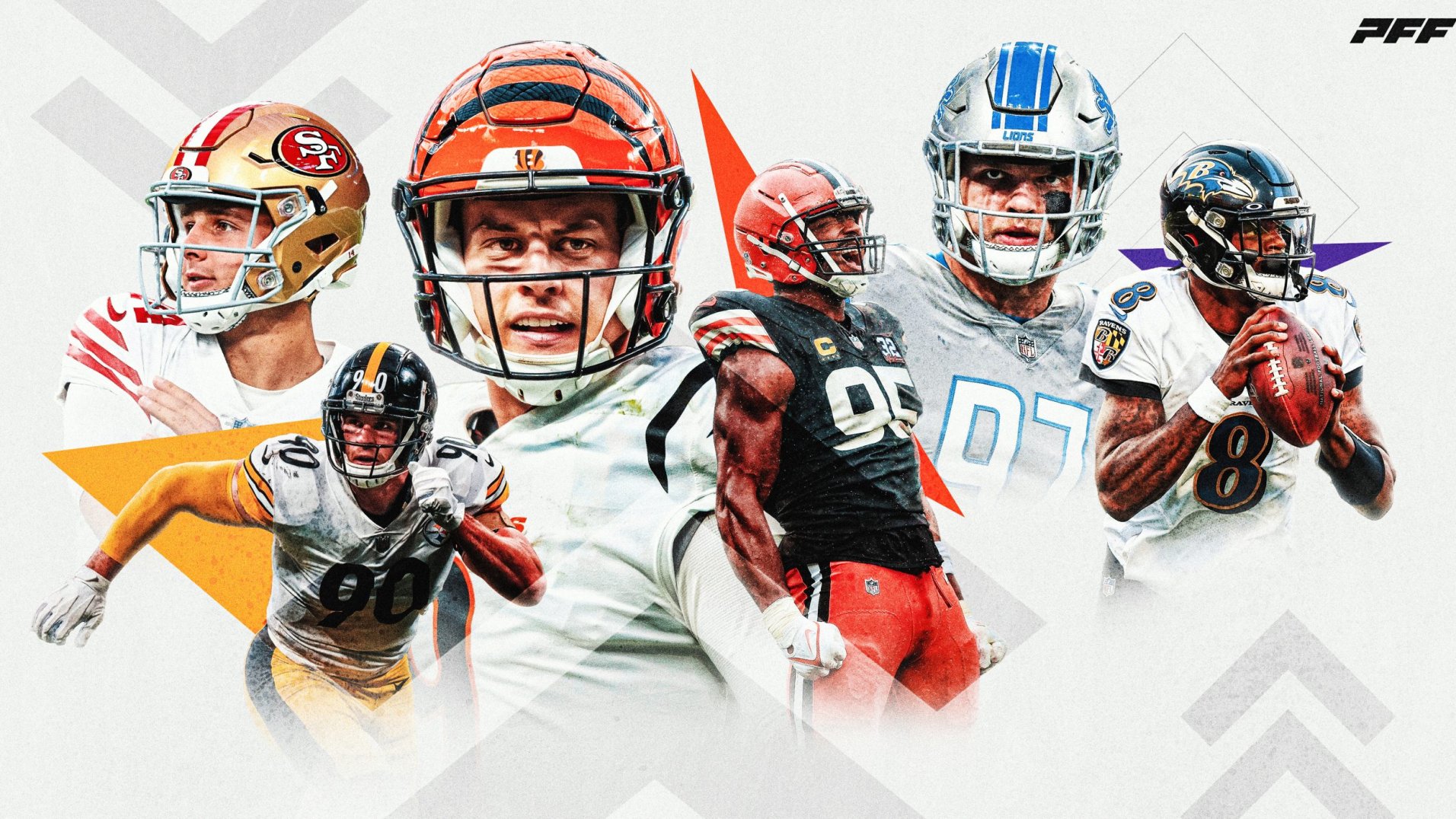
This isn’t new. Since 2020, the 49ers have selected five players in the first two rounds who were graded as reaches by at least 80% of draft analysts. Some hit (like Trey Hill-Burns). Most haven’t.
The Cost of “Reaching” in the Draft
Reaching—picking a player well above consensus value—has real consequences:
- Diminished Trade Flexibility: Teams that reach can’t trade back. They’ve already bet on upside.
- Roster Imbalance: Over-investing at one position (like QB or edge) leaves others thin.
- Culture Risk: Veterans may question front office judgment when underperforming picks get starting reps.
The 49ers’ recent draft behavior suggests a pattern: high-risk, high-reward bets that don’t always align with roster urgency. In 2026, they needed help at safety and backup offensive line. Instead, they doubled down on developmental pieces at positions already somewhat stocked.
Power Rankings Reflect Strategy, Not Just Talent
NFL power rankings post-draft aren’t popularity contests. They’re assessments of trajectory.
And right now, the Chiefs’ trajectory is upward because their draft process is repeatable. They’ve built a system where every decision—from analytics to scouting to coaching—aligns. They don’t fall in love with prospects. They fall in love with solutions.
The 49ers, meanwhile, remain talented—but their process raises red flags. Their 2026 draft class may produce a Pro Bowler or two, but at what cost?
Consider this: San Francisco now has three quarterbacks on the roster drafted in the first two rounds since 2021. Purdy, the most productive of them all, was a 2022 Mr. Irrelevant.
Was the 2026 first-rounder truly better than available Day 2 options? Or was it emotional drafting—trying to “get it right” after previous misses?
That kind of decision-making destabilizes power rankings, no matter how talented the team.
How Draft Discipline Separates Contenders from Pretenders
Look at the last five Super Bowl winners. Four of them drafted at or near consensus value in their championship seasons. The outlier—the 2023 Lions—still avoided reaching, instead maximizing mid-round value.
Teams that consistently win in January do three things well:
- Identify Real Needs – Not “sexy” needs. Not “what fans want.” But actual gaps in scheme fit.
- Draft for Fit, Not Fame – Take the best player available only if he fits the system.
- Avoid Emotional Picks – No “we need a franchise QB” panic. No drafting coaches’ pet prospects.
The Chiefs nailed all three in 2026. The 49ers faltered on the last.
San Francisco’s roster is still top-five caliber. But in the power rankings, perception follows process. And right now, Kansas City’s process looks championship-caliber.
Breaking Down the Top 5 Post-Draft Power Rankings
| Rank | Team | Draft Grade | Key Move | Power Ranking Reason |
|---|---|---|---|---|
| 1 | Chiefs | A | Traded down, added OT/LB depth | Discipline, roster balance, Mahomes’ supporting cast strengthened |
| 2 | Ravens | A- | Added explosive WR, solid DT | Value picks, no reaches, immediate impact expected |
| 3 | Lions | B+ | Filled O-line, secondary needs | Consistent drafting, team continuity |
| 4 | 49ers | C+ | First-round QB, injured TE | Talent added, but reaches raise long-term questions |
| 5 | Bills | B | Strong edge rusher, zone RB | Solid class, but lacked splash |
The gap between No. 1 and No. 4 isn’t talent—it’s trust. Analysts trust the Chiefs’ system. They’re skeptical of the 49ers’ decision-making.
Why Draft Reaches Hurt More Than They Help
Reaching isn’t just a minor misstep. It’s a systemic flaw with ripple effects.
Example: The 2022 49ers’ edge rusher pick. Selected 13th overall, graded as a second- or third-rounder by most boards. The player struggled with scheme fit, was traded within two seasons, and San Francisco still lacks a true bookend pass rusher.
Meanwhile, the Chiefs took a Day 2 edge rusher in 2022—now a 10-sack player on a rookie deal.
The difference? Kansas City waited. They didn’t force a pick. They let the board come to them.
Common mistakes teams make when reaching:
- Overvaluing athleticism over football IQ
- Ignoring injury history for “upside”
- Drafting to silence critics (e.g., “We need a QB!”)
- Failing to assess scheme fit (“Can he run our defense?”)
The 49ers’ 2026 QB pick? Elite arm, 4.4 speed, but struggled against disguised coverages. In Kyle Shanahan’s system, that’s a red flag—not a green light.
What This Means for the 2026 Season
The Chiefs enter the season with quiet confidence. Their draft class won’t wow highlight reels, but it strengthens the margins—on special teams, in the run game, and on early-down defense.
They’ll likely open as AFC favorites.
The 49ers? Still dangerous. Brock Purdy has proven he can lead. Their defense remains elite. But the draft noise adds pressure. If the rookie QB or tight end doesn’t contribute early, questions will grow louder.
In the power rankings, talent gets you in the top 10. Process gets you to No. 1.
And right now, only one team is building like a true contender.
Final Outlook: Sustainable Success Over Short-Term Hype
The 2026 draft didn’t make the Chiefs—or break the 49ers. But it revealed something critical: how each team views the future.
Kansas City is playing chess—adding pieces that fit, trading for value, and protecting the core. San Francisco is playing checkers—jumping at talent, betting on upside, and hoping the pieces click.
In June, that might not matter. But in January, it always does.
For fans and analysts alike, the lesson is clear: watch the process, not just the picks. The Chiefs are rising not because of one draft, but because of a system that works. The 49ers remain talented—but until they fix their drafting discipline, their ceiling stays questionable.
Monitor the margins. Trust the process. That’s how you stay on top.
Frequently Asked Questions
Why are the Chiefs ranked higher after the draft? Because they executed a disciplined draft—trading down, avoiding reaches, and adding value at key positions—while maintaining roster balance.
Did the 49ers draft poorly in 2026? Not necessarily poorly, but they reached on multiple picks, especially at QB and TE, which deviated from consensus value and raised strategic concerns.
Can the 49ers still win the Super Bowl? Yes. They have a strong core, elite coaching, and Brock Purdy. But their draft decisions add long-term uncertainty.
Was the Chiefs’ draft class flashy? No—and that’s the point. It was balanced, value-driven, and focused on sustainability over spectacle.
How do draft reaches affect team success? Reaches often lead to roster imbalances, underperformance, and reduced trade flexibility, hurting long-term contention windows.
Are the Chiefs the favorites for 2026? Based on roster strength, coaching, and draft execution, yes—they’re the early-season favorites in most power rankings.
What should teams avoid in the draft? Reaching for prospects, overdrafting for need, ignoring scheme fit, and making emotional rather than analytical decisions.
FAQ
What should you look for in Chiefs Surge in NFL Power Rankings After Draft Haul? Focus on relevance, practical value, and how well the solution matches real user intent.
Is Chiefs Surge in NFL Power Rankings
After Draft Haul suitable for beginners? That depends on the workflow, but a clear step-by-step approach usually makes it easier to start.
How do you compare options around Chiefs Surge in NFL Power Rankings After Draft Haul? Compare features, trust signals, limitations, pricing, and ease of implementation.
What mistakes should you avoid? Avoid generic choices, weak validation, and decisions based only on marketing claims.
What is the next best step? Shortlist the most relevant options, validate them quickly, and refine from real-world results.