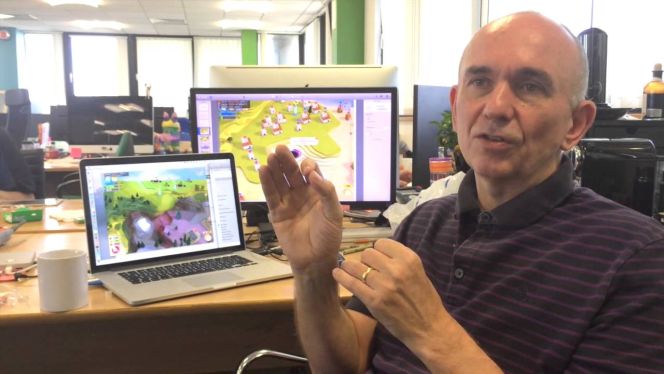
The promise was revolutionary: a god game that evolved with you, learning your playstyle, reshaping the world in real time. Peter Molyneux, once hailed as a visionary behind Populous, Dungeon Keeper, and Fable, returned with Godus—a spiritual successor to Populous—funded by thousands through Kickstarter. Backers pledged over $876,000, believing in the man who had redefined god games decades prior. But what followed wasn’t evolution. It was erosion. The game delivered little of what was promised. Players didn’t just feel misled—they lost money, time, and faith. And behind the scenes, some lost far more.
This isn’t just about a broken game. It’s about the real people—investors, developers, and fans—who bet on Molyneux’s legacy and walked away empty-handed.
The Kickstarter Dream That Turned to Dust
In 2012, Kickstarter was still a golden era for indie game dreams. When Peter Molyneux launched Godus under his new studio 22cans, the campaign exploded. For $25, backers were promised a dynamic god simulation with multiplayer, terraforming, emergent storytelling, and AI-driven civilizations. Stretch goals promised persistent worlds, VR support, and even real-world data integration.
But the delivered product in 2014 was a shadow. The early access version was a stripped-down, janky prototype: a zoomable terrain with basic swipe mechanics. No AI personalities. No persistent world. No multiplayer. No evolution. Just a sparse, unresponsive sandbox.
Backers weren’t just disappointed—they were out real money. Many paid premium tiers: $100 for “Founder” status, $1,000 for exclusive in-game monuments. One backer, a UK-based developer named James Holloway, invested $500 across multiple tiers, expecting alpha access and design input. He got bugs, broken promises, and radio silence.
“I believed in the vision,” Holloway said in a now-deleted forum post. “But what we got wasn’t a game. It was a tech demo with a price tag.”
The Investors Who Bet on Molyneux’s Name
While Kickstarter backers lost hundreds or thousands, institutional investors lost millions.
22cans secured a $12 million investment from Tencent in 2013—yes, the Chinese tech giant that owns stakes in Riot Games and Epic. That investment was predicated on Molyneux’s track record and Godus’s potential to become a new franchise.
But Godus never launched as a full product. It quietly faded from storefronts. Tencent’s money largely disappeared into development hell—salaries, office costs, failed prototypes. The return? Minimal. No major revenue, no sequel, no IP growth.
“Tencent didn’t lose $12 million overnight,” says industry analyst Lina Chen, “but they lost opportunity cost. That capital could have gone to a studio with a clearer roadmap. Molyneux’s reputation overshadowed due diligence.”
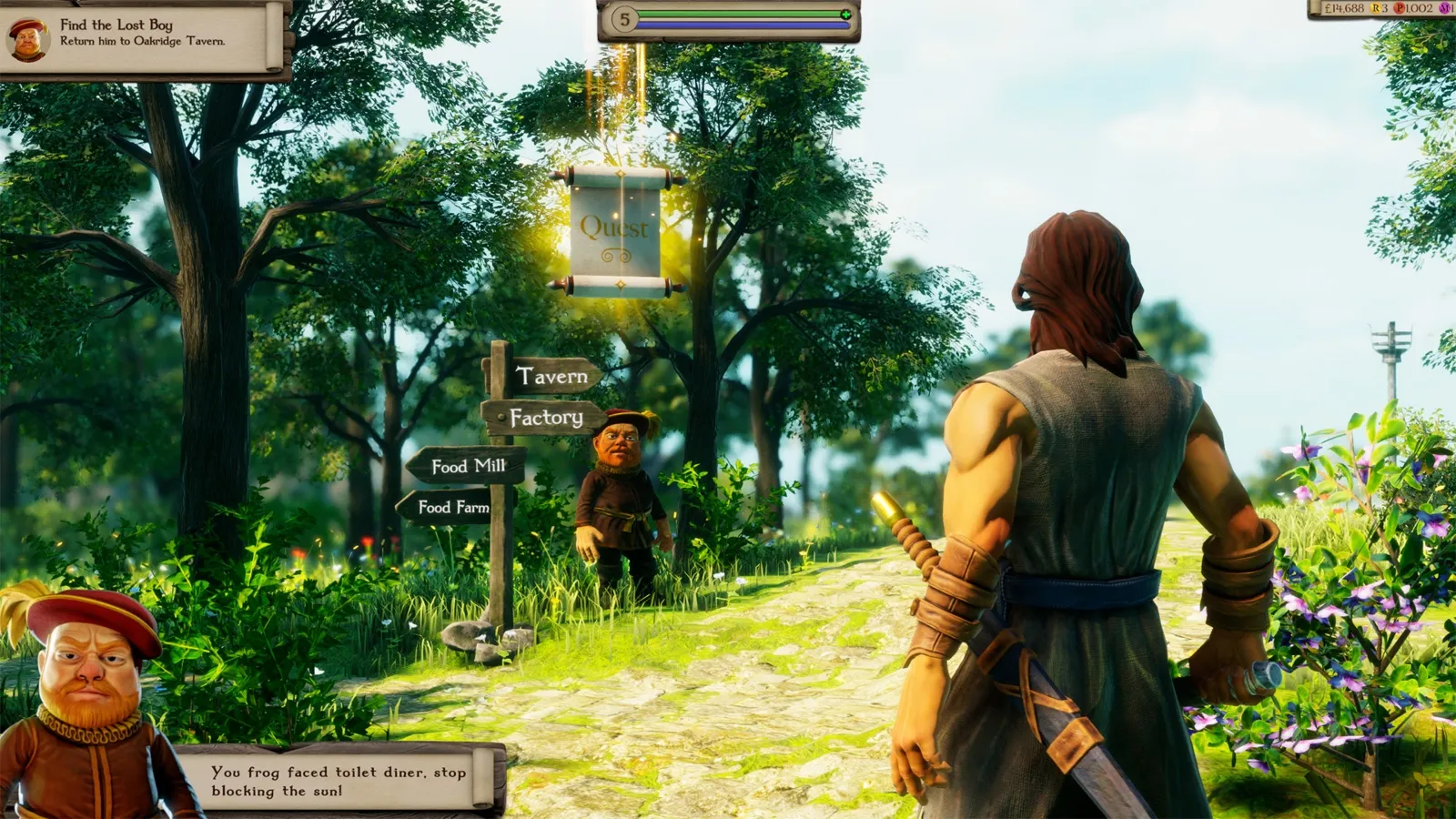
Tencent never publicly commented, but internal leaks suggest frustration with 22cans’ lack of delivery. The studio pivoted to mobile (Godus Wars) and abandoned the core vision entirely.
The Developers Who Quit Mid-Project
Behind every failed game are developers who believed—then burned out.
At 22cans, several senior engineers joined with the hope of building something groundbreaking. One former lead programmer, who asked to remain anonymous, said the studio suffered from “feature creep and shifting goals.”
“We’d build a system for AI worship mechanics,” they said. “Then Molyneux would demo something completely different at a conference—something we’d never coded. Publishers would call. Press would write. Then we’d have to scramble to fake it.”
The disconnect between Molyneux’s public talks and internal reality created chaos. Developers were asked to prototype ideas that were never meant to ship. Morale plummeted. By 2016, half the original team had left.
One designer, Sarah Lin, joined 22cans from Lionhead Studios. She worked on Fable and believed in Molyneux’s creativity. But after two years on Godus, she quit.
“I didn’t just lose a job,” she said. “I lost faith in the process. When the person at the top oversells constantly, everyone else pays the price.”
The Fans Who Pre-Ordered and Regretted It
Beyond crowdfunding, Godus was sold on Steam Early Access. Thousands bought in at $15–$30, expecting iterative improvements. What they got was stagnation.
By 2017, updates slowed to a crawl. The roadmap—once full of promises—was abandoned. Players who pre-ordered Godus received no refunds. Steam’s policy at the time didn’t require them.
One user, Reddit handle u/NoxTheGamer, wrote: “I paid $25 for Early Access in 2014. Five years later, the game still can’t save properly. I feel scammed.”
Others reported crashes, missing features, and broken promises like “dynamic gods” that never materialized. One stretch goal promised a “world that remembers you after death.” It was never implemented.
The community fractured. Forums filled with anger. Some players organized refund campaigns. But by then, 22cans was already pivoting—quietly burying Godus.
The Ripple Effect on Crowdfunding Trust
Godus didn’t just fail as a game. It damaged trust in gaming crowdfunding.
After its failure, several high-profile Kickstarters faced harsher scrutiny. Projects like Shenmue 3 and Yooka-Laylee were accused of “Molyneux-style hype” before release. Backers began demanding prototypes, milestone reports, and transparency.
The lesson? A name isn’t enough.
“Peter Molyneux’s reputation carried Godus past the finish line on Kickstarter,” says crowdfunding consultant Mark Tran. “But reputation doesn’t ship code. When a legendary designer oversells, it doesn’t just hurt one game—it makes backers wary of the entire ecosystem.”
Post-Godus, successful campaigns like Disco Elysium and Starfield (despite its flaws) leaned on transparency, frequent dev logs, and realistic promises. The era of “trust us, it’ll be amazing” was over.
Why Molyneux’s Legacy Is Still Divisive
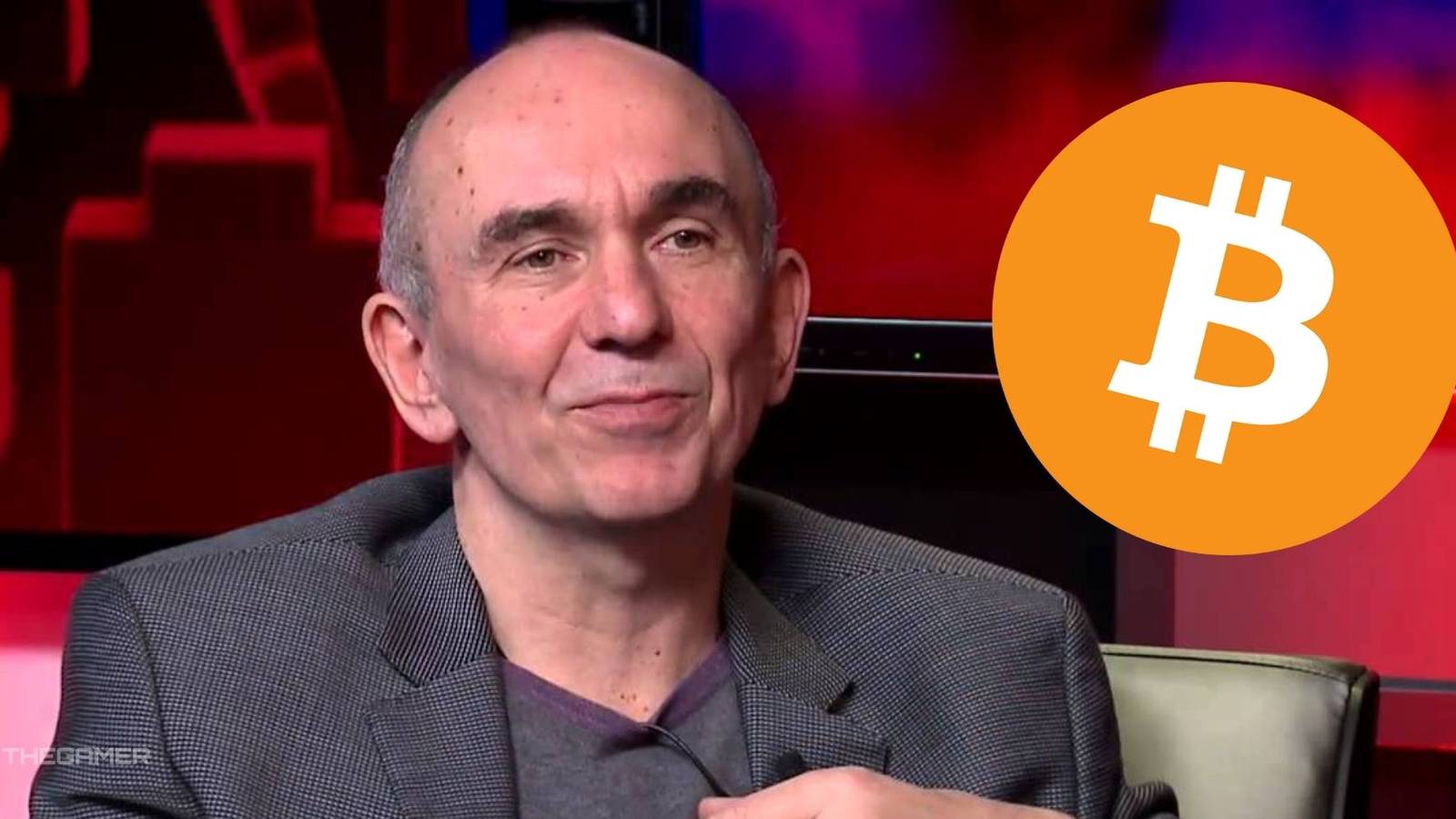
Peter Molyneux isn’t universally hated. He created Populous, a genre-defining title. Black & White was ambitious and influential. Fable launched a successful franchise.
But his pattern is clear: over-promise, under-deliver.
At Lionhead Studios, internal staff reportedly called his presentations “E3 disease”—where features shown were never meant to ship. Microsoft, which acquired Lionhead, eventually shut it down in 2016, citing declining relevance and mismanagement.
Molyneux has admitted fault. In a 2015 interview with Eurogamer, he said: “I make these promises thinking we can do them. But we can’t. And I’ve hurt people.”
But apologies don’t refund lost investments or resurrect dead careers.
The Human Cost of Hype
The real cost of Godus wasn’t just financial. It was emotional.
Backers believed they were part of something historic. Developers thought they were building the future. Investors saw a legacy revival.
Instead, they got vaporware wrapped in nostalgia.
One backer, retired teacher David Miller, put in $1,000—his first and only Kickstarter. “I backed it for my grandson,” he said. “He played it once. Said it was boring. I felt foolish.”
Others lost more. A small indie studio in Poland based a mobile concept on Godus’s mechanics, spending six months prototyping. When Godus failed, their publisher pulled funding.
“We based our pitch on Molyneux’s vision,” said the studio lead. “When it collapsed, so did our project.”
Lessons from the Fallout
The Godus disaster offers hard truths for anyone in gaming:
- Names don’t guarantee delivery – Even legends can mislead, intentionally or not.
- Overselling kills trust – One overhyped game can damage a career.
- Investors need scrutiny – Big names attract big money, but that doesn’t mean ROI.
- Crowdfunding isn’t free money – Backers expect deliverables, not demos.
- Transparency beats hype – Regular updates, honest delays, and clear roadmaps win loyalty.
Molyneux’s later projects, like Legacy (a mobile god game), have flown under the radar. No big promises. No Kickstarter. Just quiet releases. Perhaps he’s learned.
But for those burned by Godus, the scars remain.
What Now for the Players Who Lost?
If you were a backer, investor, or developer touched by Godus, here’s what you can do:
- For backers: Push for platform accountability. Steam now allows limited refunds. Support campaigns for better crowdfunding protections.
- For investors: Demand milestone-based funding, not personality-based deals.
- For developers: Insist on realistic roadmaps and public-private alignment.
- For all: Reward transparency. Support studios that ship what they show.
The story of Godus isn’t just a cautionary tale. It’s a mirror. It shows what happens when vision outpaces execution—and who pays the price.
Support creators, but hold them accountable. Because behind every failed game, there are real people who believed.
FAQ
What should you look for in Meet the Players Burned by Peter Molyneux’s Broken Promises? Focus on relevance, practical value, and how well the solution matches real user intent.
Is Meet the Players Burned by Peter Molyneux’s Broken Promises suitable for beginners? That depends on the workflow, but a clear step-by-step approach usually makes it easier to start.
How do you compare options around Meet the Players Burned by Peter Molyneux’s Broken Promises? Compare features, trust signals, limitations, pricing, and ease of implementation.
What mistakes should you avoid? Avoid generic choices, weak validation, and decisions based only on marketing claims.
What is the next best step? Shortlist the most relevant options, validate them quickly, and refine from real-world results.